
(Photo credit: Lake Behavioral Hospital)
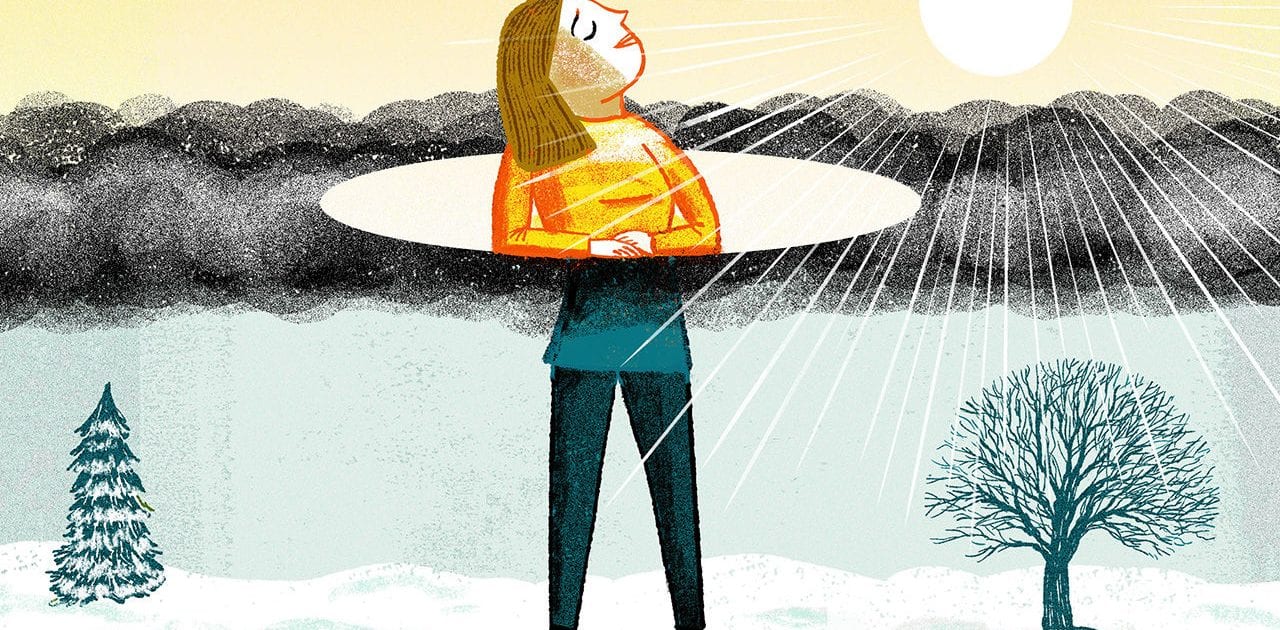
As the weather gets colder and the days get shorter, many people start to feel the loss of sunshine and long summer days. For lots of people, cloudy weather means dark days ahead and, these moods can affect everyday routines and affects how a person thinks and feels. According to the American Medical Association and the American Psychiatric Association, seasonal affective disorder (or "seasonal depression") is a subcategory of major depressive disorder that is following a seasonal pattern. It is more than "the winter blues" but a persistent sadness, loss of interest, and maladaptive behaviors.
The best way to fight against seasonal affective symptoms is to be proactive and prepared. As winter comes, learn to recognize the signs and make the time to practice self-care.
Signs of Seasonal Depression (National Institute of Mental Health)
- Persistent sad/anxious/empty mood most of the day or all day for at least two weeks
- Oversleeping
- Overeating, with particular craving for carbohydrates
- Social withdrawal (feeling like "hibernating")
- Frustration over little things
Treating Seasonal Depression* (Mayo Clinic, National Institute of Mental Health)
*talk with your doctor/health care provider to see if treatment is appropriate for you
- Get yourself screened by a health care professional
- Light box therapy
- Talk therapy
- Antidepressants
- Vitamin D
- Yoga or tai chi
- Journaling
- Meditation
RECOMMENDED READ FROM DHSS LIBRARY:
 Practicing Mindfulness by
0 Comments.